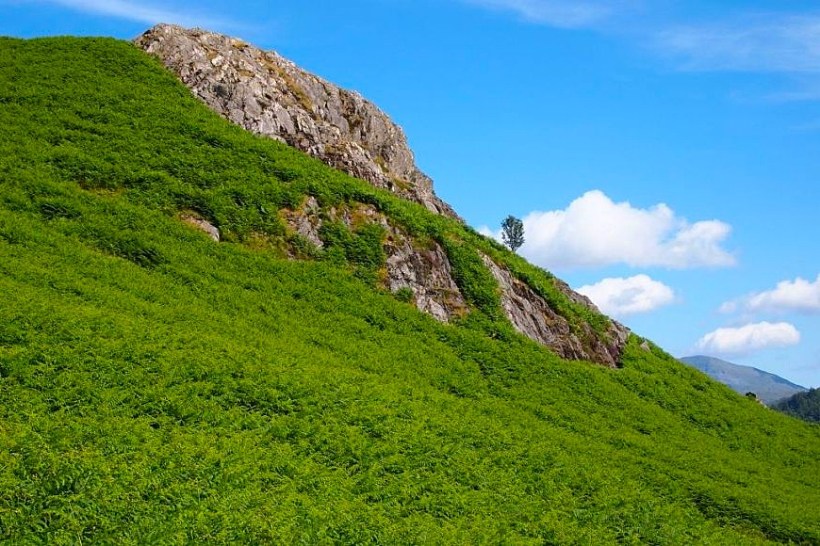
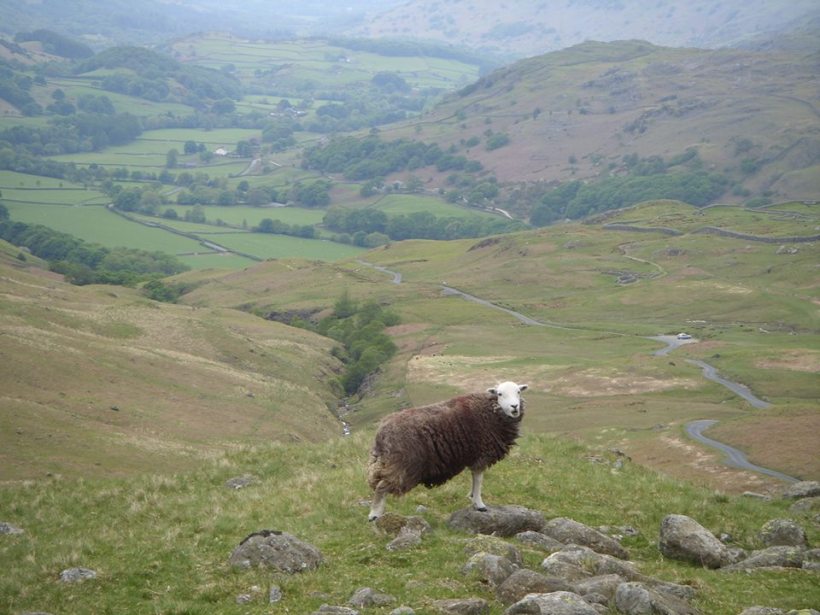
Recently I sat in the kitchen of a hill farming family. They had spent the last two days gathering hefted sheep from the fell. They were exhausted. With a few thousand sheep from various farms now having been removed from this common alone, under environmental de-stocking schemes, their ancient hefts all but destroyed.
It had taken two days to find their sheep further down the fells, in different valleys, among steep and dangerous crags many miles from home. With visible emotion they described how they and their dogs had almost worked themselves to death. How they were scared for their lives, the dogs’ lives and the sheep that were grazing in places that they were neither acclimatised nor accustomed to. This is one of the detrimental effects of de-stocking, but it is not recognised nor understood by some conservation organisations, landed estates or those making the schemes.
Other hill shepherds have shared the same story with me. Fighting through growing swathes of bracken, increased tick infestations, sheep replaced by expanding wild deer herds. And all of this slowly but surely intensifying pressure on the sheep flocks and the shepherds that are battling on.
Farmers are a stoic lot, head down, keep going, don’t grumble and don’t let the buggers get you down. But the time is fast approaching when the critical mass of sheep we need to ensure a future for hill farming in Cumbria, and the continuation of the managed landscapes that farmers get so little credit for, may be fast approaching.
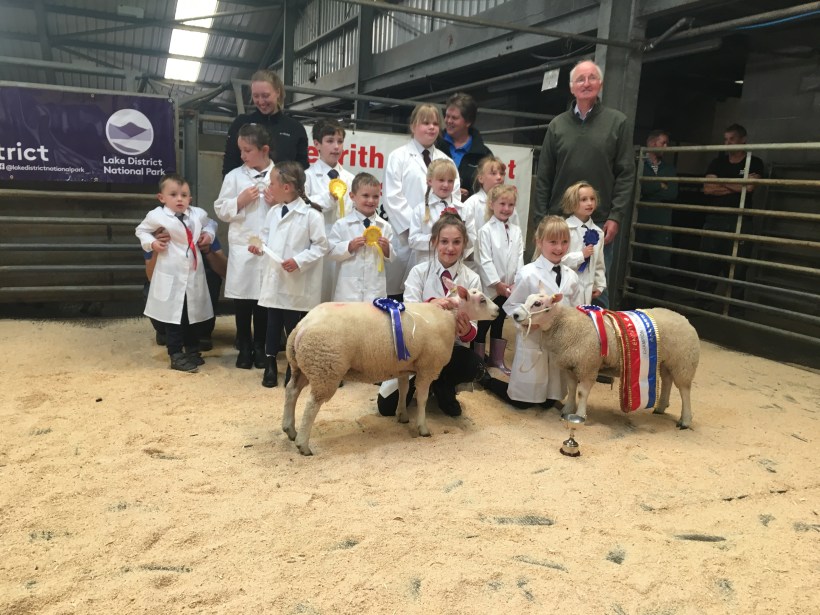
It appears that due diligence on the schemes has been limited. This is at a time when demand for sheep meat is rising, the supply is falling and the effects of the loss of hill sheep to the national industry could well be catastrophic in years to come. Auctioneers will be chasing a dwindling supply of lambs to sell to an expanding ring of customers. Agricultural suppliers will have less demand for their services as farmers reduce livestock or just give up. All of this must surely hurt the local rural economy. Perhaps this is looked upon as acceptable collateral damage in the name of nature?
All of this need not be happening, but it is, and it might be just what many of the large, landed estates and the most tunnel visioned conservation organisations want to happen. There is more money for them in environmental schemes than sheep and shepherds.
Some of us sit in partnership and stakeholder meetings like a stuck record constantly giving this narrative, but we’re being swallowed up by the nature and net zero noise. Or worse, people from other organisations contact me privately to express concern or even agree but dare not say so publicly, having to toe the line.
So farmers, auctioneers, rural business and country folk, the time has come. Either speak up or hold your peace. There may not be much time left. We will rue the day when my friends like that farming family are forced to throw in the towel for their own health and sanity.
In the meantime, my belief is that we need a moratorium on the schemes and our rural land use framework in Cumbria. We need to halt tunnel-visioned de-stocking policies, where nature and net zero trumps everything. We need to find the sweet spot that gives us viable sustainable livestock farming in improved landscapes in true partnership.
56% of UK farmland sold last year was bought by non-farmers. What is that telling us about our food security. What is manifesting is real-time destruction of Cumbrian hill-farming, the local economy and our rural communities. Death by a thousand cuts. Does anyone care? I’m not seeing it.
 The Lakeland Auctioneer